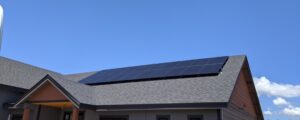
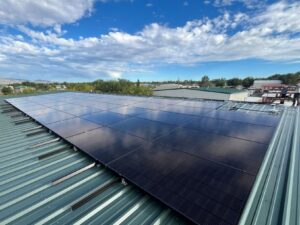
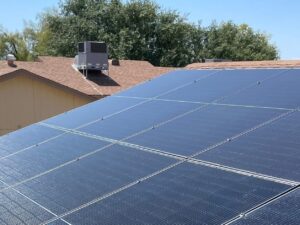
Michael and Toni Keberlein planned for clean power while their new home in Flagstaff, AZ was still being built. Rooftop Solar installed 47 Silfab 380-watt panels with Enphase IQ8+ micro-inverters in June 2022, then completed this Flagstaff solar and battery installation in April 2023 by adding two Tesla Powerwall 2 units for battery storage, so energy from their roof can be stored and used later.
System size: 17.86 kW
Module type: Silfab Elite 380-Watt (47 panels)
Inverter type: Enphase IQ8+ Micro-Inverters
Battery type: Tesla Powerwall 2 (2), 13.5 kWh usable each
What is the best part of living with solar?
Generating 132 megawatts in four years (worth $6,000 USD per year)
What was your main motivation in wanting to go solar?
Environmental and economic issues, eliminated fossil fuel usage.
What was the most enjoyable part of the go-solar process?
Discovering multiple side benefits, like battery backup during power outages, driving for just three pennies per mile in energy cost cash flow, and still getting $500 back from APS every year with a virtually all-electric home.
How the Silfab Array and Two Powerwalls Share the Load
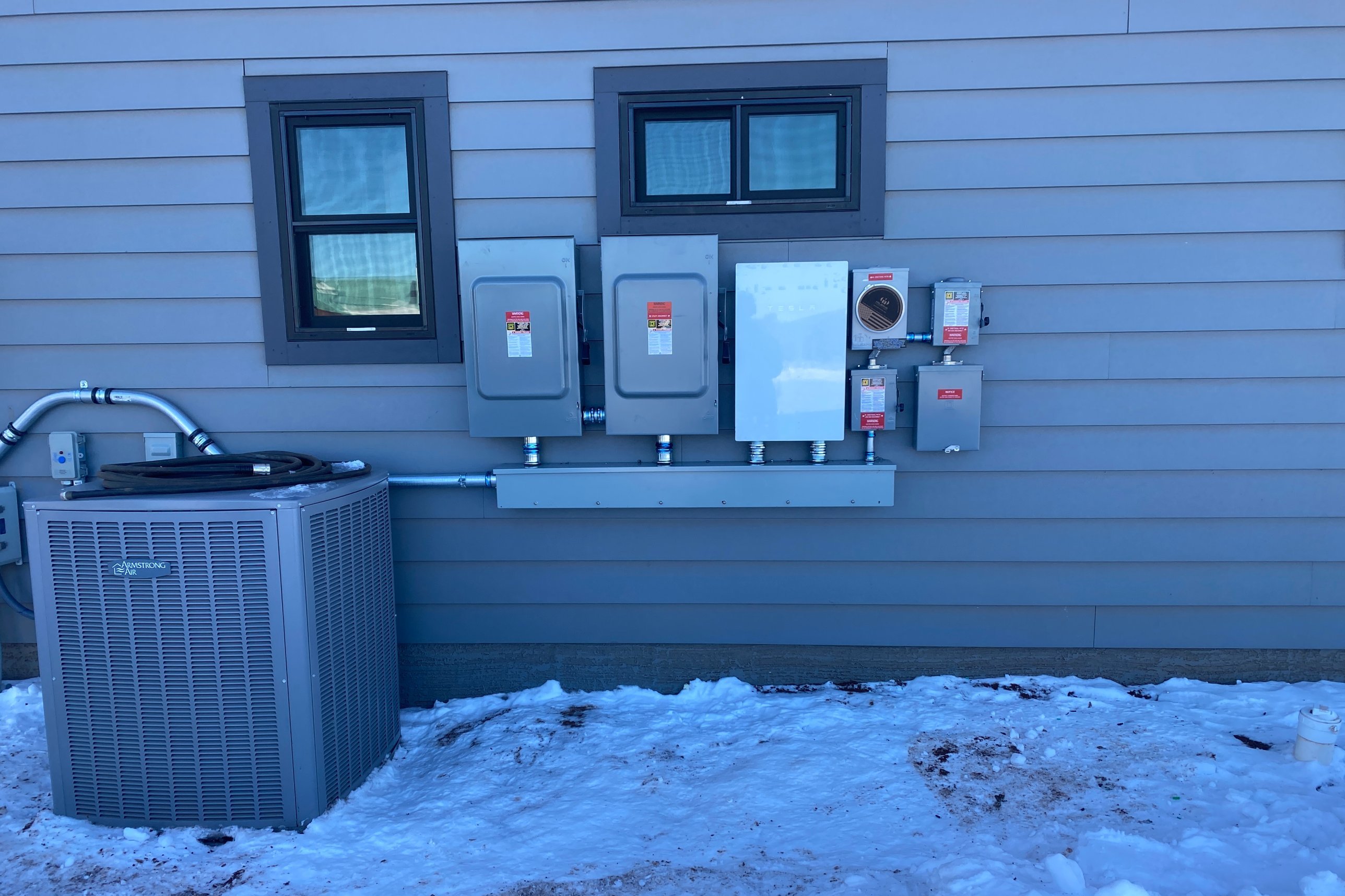
During the day, the 47-panel array supplies the home first. When the panels produce more than the house is using, that extra energy can charge the two Powerwall 2 batteries, and the stored energy is available later, including when the grid goes down. Solar output is measured in kilowatt-hours (kWh), and 1,000 kilowatt-hours make one megawatt-hour (MWh), the unit long-term production totals are often reported in.
One Roof Powering the House and the Car
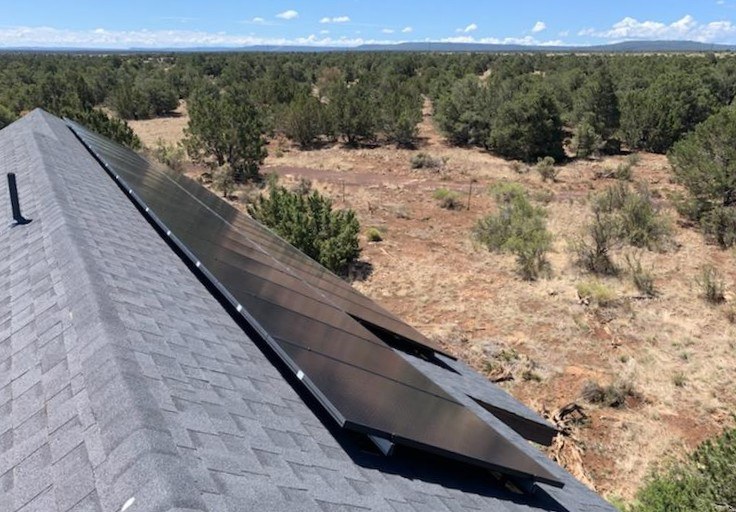
Michael and Toni describe a home that runs almost entirely on electricity, with an electric vehicle in the driveway. When the house and the car draw from the same supply, electricity produced on the roof can take the place of energy that would otherwise come from fossil fuels. That ties directly to their goal of eliminating fossil fuel use. Learn more about the environmental impact of solar.
Sending Extra Solar Energy Back to APS
Michael and Toni are APS customers. When a solar home produces more electricity than it uses or stores, the extra flows to the APS grid, and APS credits it on the customer’s bill under its solar export program. Those export rules change over time for new customers, so it pays to understand them before going solar. Our article on the APS solar credit change explains what Arizona homeowners should know.
Make and Store Your Own Power
To find out what solar panels and batteries could do for your home, request a free solar and battery quote, explore our residential solar services, or read more customer spotlights from homeowners across Arizona.